
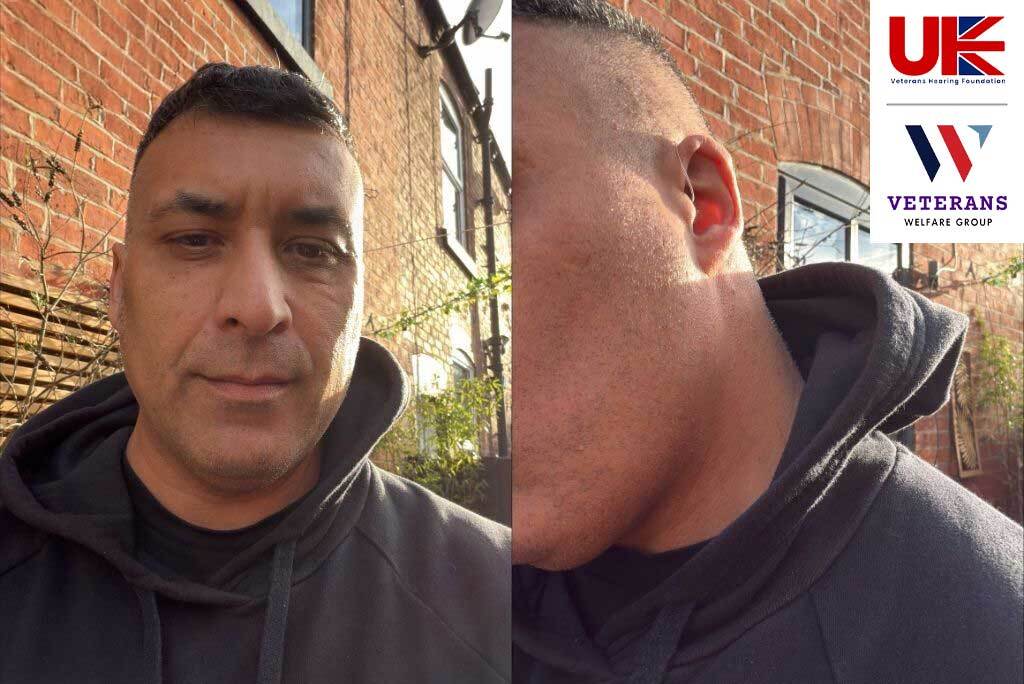
Two months ago, we shared the story of Mr Dominic Kane, a veteran whose hearing loss had slowly begun to affect his everyday life. Conversations became harder to follow, background noise felt overwhelming, and the ease of connecting with others started to slip away. With support from the UK Veterans Hearing Foundation, working alongside the Veterans Welfare Group, Mr Kane received hearing aids tailored to his needs. That moment marked an important change, but the real story lies in what happens after the fitting.
When we checked in with him recently, his response was simple and honest. “I’m good thank you and my aids are brilliant – getting on with them perfectly, thank you so much.” There is something reassuring in those words. They reflect not only the quality of the hearing solution but also the comfort of knowing that support continues beyond the initial appointment.
Why Hearing Aid Aftercare Matters for Veterans
Hearing aids are not a one-time solution and adjusting to them takes time, patience, and the right guidance. When paired with a hearing aid, sounds feel different at first, environments change, and Everyday listening requires a level of adaptation that many do not expect. Without proper support, this stage often leads to frustration, and in some cases, people stop using their devices altogether.
This is where structured aftercare becomes essential, especially for veterans who may have lived with hearing challenges for years. Through the UK Veterans Hearing Foundation, veterans receive a level of ongoing care designed to make hearing aids work in real life, not only in a clinical setting.
The support includes 3 years of free aftercare service, allowing veterans to return for check-ups whenever needed. Whether it is a small adjustment, a concern about performance, or guidance on usage, help remains accessible. In addition, a five-year warranty covers repairs and servicing, offering long-term reassurance and reducing the financial burden often associated with maintenance.
Here is Mr Dominic Kane, two months on, settled into his hearing aids and getting on with everyday life again.

Adapting to Everyday Hearing Again
For Mr Kane, “getting on with them perfectly” reflects more than technical success. It shows how hearing has settled back into his daily routine. The conversations feel easier, background noise no longer dominates, and there is less effort involved in simply listening. These changes do not arrive all at once, and they build gradually, through consistent use and the confidence that support is always available when needed.
This stage is often overlooked, yet it plays a crucial role in long-term success. Hearing aids must fit into real environments such as busy streets, social gatherings, and quiet conversations at home. Ongoing care ensures that the devices continue to perform well across all these situations.
Hearing aids are designed for durability, but they require care. Daily wear, exposure to moisture, and general use mean that performance may change over time. Clinics supporting veterans focus not only on fitting devices but also on helping individuals understand how to maintain them properly. This includes guidance on cleaning, recognising early signs of wear, and knowing when to seek adjustments. These small actions help extend the lifespan of the devices and maintain consistent hearing quality. It also prepares veterans for the reality that hearing aids will eventually need replacing, allowing them to approach this step with clarity rather than uncertainty.


Strengthening Support for the Armed Forces Community
Mr Kane’s journey highlights a wider mission and many veterans are still waiting for support, some unsure where to begin, others unaware of the help available. The partnership between the UK Veterans Hearing Foundation and the Veterans Welfare Group continues to grow with a shared focus on reaching more individuals in need. This collaboration looks beyond individual fittings; we aim to strengthen relationships across organisations, connect with veterans through community events, and support fundraising efforts that make these services possible. By linking partners and working together, both organisations move closer to ensuring that no veteran feels left without support.
Mr Kane’s experience shows that hearing care does not end with receiving hearing aids. The difference comes from what follows: regular check-ins, accessible support, and long-term guidance shape how successfully someone adapts to hearing again. It is this continued care that turns a clinical solution into a lasting improvement in quality of life.
Many veterans continue to live with untreated hearing loss, often unaware that help is available. If you know someone who might benefit from support, or if you would like to contribute to ongoing efforts, consider reaching out to the UK Veterans Hearing Foundation. You can also support fundraising initiatives or help raise awareness within your community. Every action helps ensure that more veterans receive not only hearing aids but the continued care and support they need to stay connected.
