
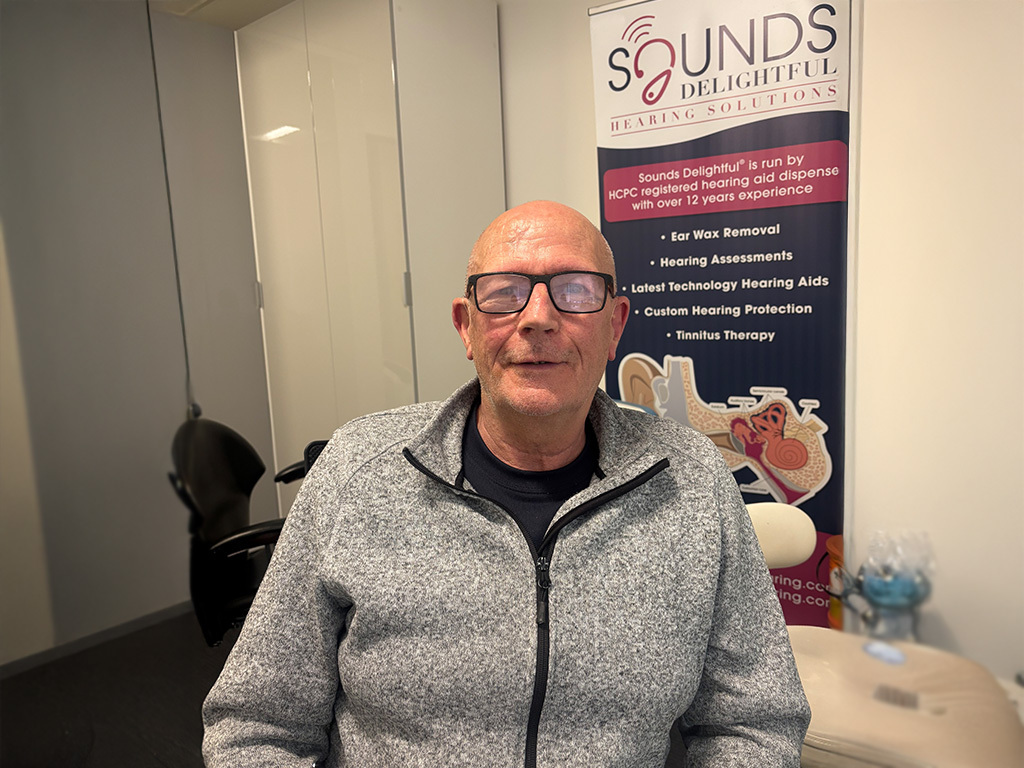
Mr Archibald Macdonald served with the Queen’s Own Highlanders, a role that placed him in environments where loud, unpredictable noise was part of everyday life. Like many veterans of his time, hearing protection was limited, and the long-term effects of noise exposure were not fully understood. In 1972, during an operational tour, he was involved in an IED incident, an experience that did not feel like a defining moment at the time, but one that quietly marked the beginning of his hearing difficulties.
In the years that followed, there was no immediate shift, no clear point where hearing loss fully announced itself. Instead, it developed slowly, almost unnoticed at first, becoming part of the background of daily life. When they started as subtle changes, they gradually became more persistent, shaping how he experienced sound and connected with the world around him.
When Hearing Loss Becomes Part of Everyday Life
Over time, hearing loss and tinnitus became constant companions. The ringing in his ears was not something that came and went, but something that remained, especially noticeable when everything else was quiet. Situations that once felt simple, like following a conversation or responding quickly in a group setting, began to require more focus and effort.
Background noise made things more difficult; voices would blend together, making it harder to pick out what was being said. Even one-to-one conversations were not always clear, leading to repeated questions and moments of hesitation. Watching television became another challenge, with volume levels needing to be higher than comfortable for others in the room. These small but frequent disruptions slowly shaped his daily routine, turning ordinary moments into situations that required patience and persistence.
Hearing loss does not sit quietly in the background; it carries an emotional weight that builds over time. Mr Macdonald spoke openly about the frustration that comes with not being able to hear clearly, especially when it affects communication with others. Repeatedly asking people to speak up or explain again can feel isolating even in familiar company. This frustration often stays beneath but shows itself in irritation or anger, not directed at others, but rooted in the constant effort required to keep up. Tinnitus adds to this strain, creating a sense of noise even in silence, leaving little space for rest from the condition. Over time, this combination begins to affect confidence, making social situations feel more demanding and less comfortable than they once were.
How Hearing Aids Meet His Expectations
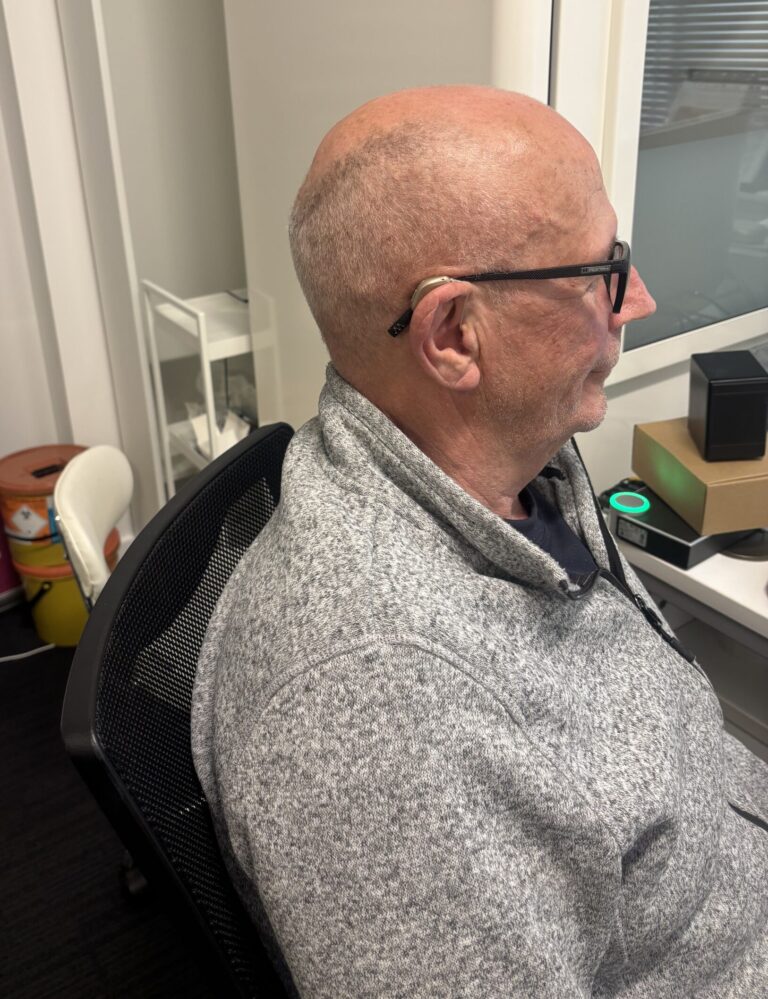
Mr Macdonald had been using NHS hearing aids, taking an important step towards addressing his hearing loss. However, the experience did not fully meet his expectations or needs. While the intention was to improve his hearing, the reality often fell short in day-to-day situations where clarity mattered the most.
He experienced discomfort at times, including headaches, which made it more difficult to wear the devices for longer periods. There were also practical challenges, such as the aids not staying securely in place, which affected both confidence and consistency in their use. In environments with background noise, understanding speech remained a struggle, leaving him in a position where support was present but not fully effective. Over time, this created a sense of limitation: hearing aids existed, but the improvement in quality of life remained incomplete.
Through the UK Veterans Hearing Foundation (UKVHF), Mr Macdonald was given the opportunity to revisit his hearing care with a different approach, one that focused on his individual experience rather than a general solution. With funding support from the Inman Charity and care provided by Sounds Delightful, the process began with understanding what had not worked in the past and what needed to change moving forward. All of this was not about simply replacing a device, but about rebuilding confidence in hearing support itself. His hearing was reassessed with care, taking into account the environments he spends time in, the challenges he faces, and the expectations he holds for a solution. This personalised approach laid the foundation for meaningful improvement rather than a temporary adjustment.


A Noticeable Change in Everyday Life
With the right support in place, the difference became clear in everyday situations. Conversations began to feel easier, requiring less repetition and allowing him to stay engaged without constant effort. Background noise became less overwhelming, making social settings more manageable and less tiring. Simple routines, such as watching television, no longer felt like a compromise; the need to increase volume excessively was reduced, creating a more comfortable experience for both him and those around him. These changes may appear small on the surface, but they carry a deeper impact, restoring a sense of ease and helping him feel more connected in his daily life.
Mr Macdonald’s experience reflects a wider reality faced by many veterans. Hearing loss linked to military service often develops gradually, making it easy to overlook in its early stages. However, its long-term impact is significant, affecting communication, relationships, and overall well-being. Tinnitus, in particular, adds another layer to this experience, creating a constant presence that can affect concentration, mood, and rest. These are not isolated challenges, but part of a broader picture that highlights the importance of recognising and addressing hearing loss early, with the right level of care and understanding.
Ongoing Support That Makes a Difference
Support does not end with the fitting of hearing aids. Through the UK Veterans Hearing Foundation, ongoing care remains an important part of the journey. Regular follow-ups, adjustments when needed, and access to professional guidance ensure that hearing support continues to meet changing needs over time. This ongoing approach provides reassurance, allowing individuals to feel supported beyond the initial stage. It ensures that improvements are maintained and built upon, rather than left to decline. For Mr Macdonald, this continued support plays a key role in sustaining the progress he has made.
Mr Macdonald’s journey is one that many veterans will recognise, not only in terms of hearing loss, but also in how it shapes daily life over time. It reflects the challenges of adapting, the frustration of limited solutions, and the difference that the right support can make. His experience shows that hearing loss does not have to be managed alone or accepted without question. With the right approach, tailored care, and ongoing support, there is a way to move forward with greater clarity, confidence, and comfort in everyday life.
