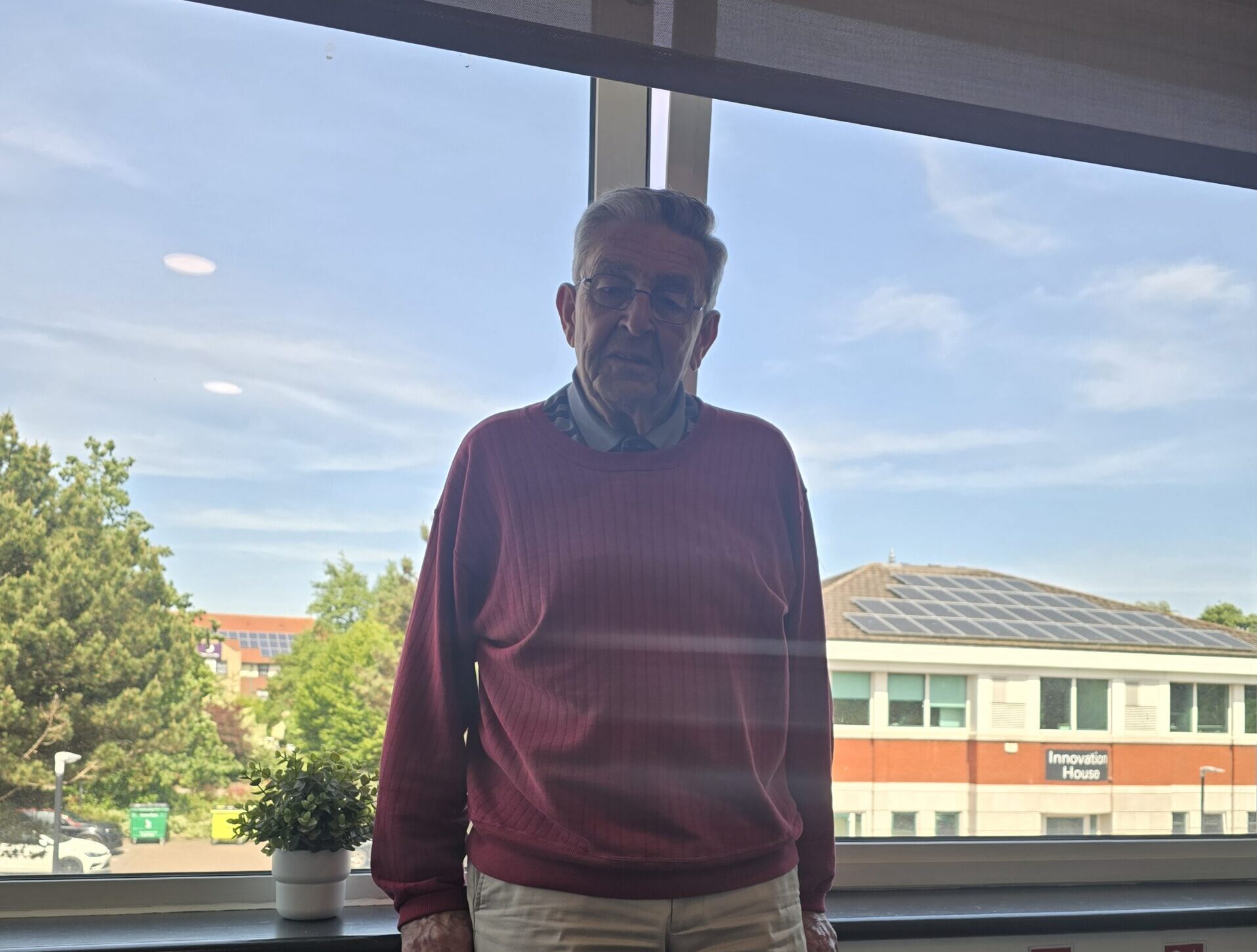
After spending over four decades with the Royal Air Force and the Royal Auxiliary Air Force, Charles Hyde sought help with his hearing. With the help of the UK Veterans Hearing Foundation, he obtained hearing aids that were properly fitted and also received the continued care necessary to get Mr Hyde used to them. Mr Hyde received a pair of Oticon Real 1 from Yousef at James Hearing, and the Bill Brown 1989 Charitable Trust paid for his hearing aids, enabling his treatment.
A lifetime of service
Mr Hyde started his career with the RAF in November 1960; throughout his time in the military, he was a member of the RAF Regiment and carried out operational tours in Aden, Northern Ireland, Malaysia during the Confrontation, and in Belize. After leaving the regular RAF in September 1995, he continued to serve in the Royal Auxiliary Air Force and stayed with the RAuxAF until July 2005, bringing his total service to almost 45 years.
He has a long record which shows a remarkable dedication to the Armed Forces; and when Mr Hyde later required assistance with his hearing, the UK Veterans Hearing Foundation was happy to help him obtain care appropriate to his individual needs.
Finding the right hearing aids for Charles
Since no two individuals experience hearing loss in precisely the same way, a hearing aid that is effective for one person may not produce similar results for another. The design of the hearing aid, its settings, and the way in which sound is processed all have to match the wearer’s particular hearing needs and their everyday life. Mr Hyde was first given hearing aids, but the team subsequently decided that they needed to be replaced in order to offer him a more appropriate solution. This change was easily arranged, and Charles was then given a pair of Oticon Real 1 rechargeable hearing aids.
The choice to replace the devices was an essential element in offering personalised hearing support to veterans. Instead of asking Mr Hyde to keep using hearing aids that were not meeting his needs, the team heard his situation, looked at his experience and then found a better alternative. The outcome was a hearing solution that was tailored around Mr Hyde rather than one based on a standard method.
Adjusting to new hearing aids takes time
Getting new hearing aids is usually the start of the process, not the finish. Even if the devices have been correctly programmed, the brain requires time to get used to sounds that may have been hard to hear for a number of years. Everyday noises may seem different or more obvious at first. Conversations, television, traffic and background noises all form part of this adjustment phase.
At first, ordinary noises may seem different or more apparent. Conversations, the television, traffic and all other background sounds form part of the adjustment phase. While some people who are wearing hearing aids get used to them fairly quickly, others require more time and a number of visits before everything seems natural. Mr Hyde is currently getting used to his new Oticon hearing aids and continues attending appointments at James Hearing, where Waheed makes further adjustments based on Mr Hyde’s experiences.
These ongoing changes help the hearing aids respond more closely to Charles’s hearing requirements. They also give him the opportunity to explain what feels comfortable, which sounds remain difficult and where further improvements are needed.
The importance of ongoing hearing aid aftercare
Hearing can change, and a person’s listening needs are not always clear from one appointment alone. Proper aftercare gives an audiologist the chance to monitor progress and make careful changes when needed; for Mr Hyde, ongoing support has formed an important part of his experience. He knows he does not have to manage the adjustment period by himself or accept settings which do not feel right.
The UK Veterans Hearing Foundation and the team at James Hearing remain available while he becomes accustomed to his new devices. Mr Hyde is grateful for the help he has received and knows he has continued support available for the future. This is the standard of care every veteran deserves; providing hearing aids matters, but listening to the veteran, responding to their concerns, and remaining present throughout the adjustment period matter too.

Support made possible through partnership
The Bill Brown 1989 Charitable Trust funded mr Hyde’s hearing aids; this funding allowed the UK Veterans Hearing Foundation to arrange suitable private hearing support for him. Waheed Yousef at James Hearing then provided his hearing care locally. By working with experienced hearing care professionals and charitable funders, the Foundation helps eligible veterans access hearing aids and aftercare based on their needs.
We thank the Bill Brown 1989 Charitable Trust for funding Mr Hyde’s hearing aids, and Waheed and the James Hearing team for their ongoing support during his fitting and adjustment.
Helping veterans access better hearing support
Many veterans deal with hearing problems for years before seeking help. Some think nothing more can be done, while others do not know where to go or if they qualify for support. The UK Veterans Hearing Foundation helps eligible veterans find out what hearing support is available. The Foundation looks at each person’s situation and hearing needs. If support is approved, the Foundation and its partners arrange the right hearing aids and care.
The story of Mr Hyde also shows the importance of flexibility; because his initial hearing aids did not fully meet his needs, the situation was reviewed and adjusted. He now has rechargeable hearing aids and the peace of mind that he will continue to receive professional aftercare as he gets used to them. Given that he had served for almost 45 years with the RAF and the RAuxAF, this kind of support is a genuine recognition of his service.
