
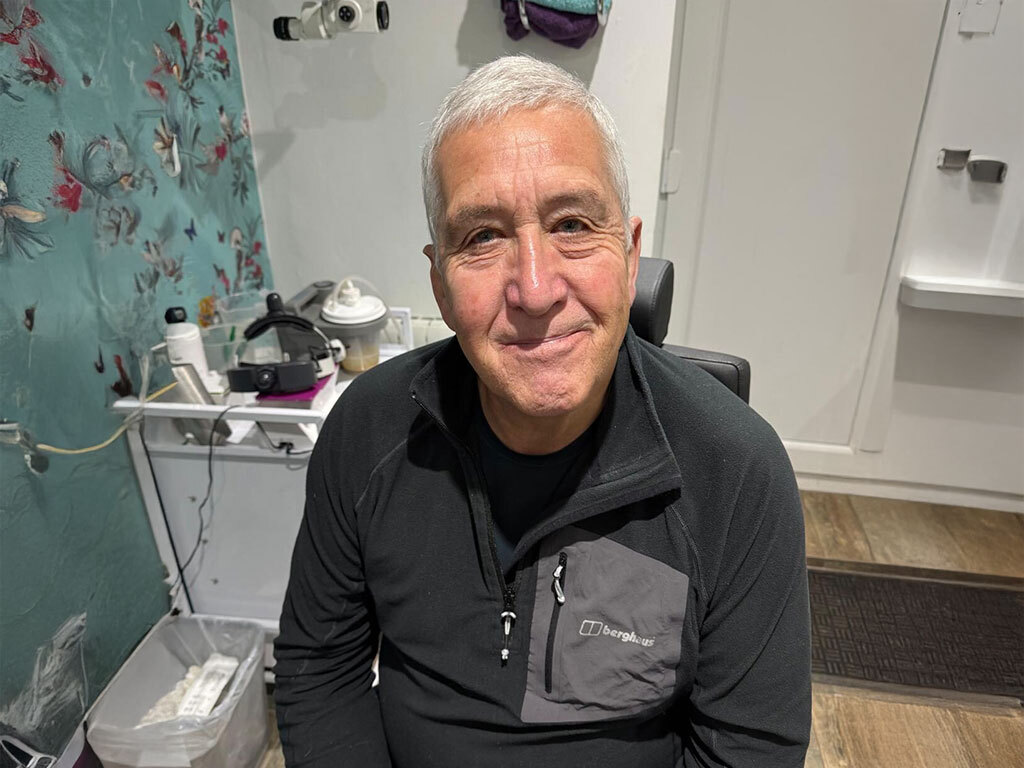
As we always talk to many veterans, we realise hearing loss does not arrive at any moment. It builds slowly, shaped by years of service in environments where noise is constant, and protection is not always enough. Mr Ian Pinnegar’s experience reflects this reality. Having served with the Royal Anglian Regiment, his time in the military involved repeated exposure to small arms fire, explosive munitions, and operational settings where sound levels were intense and unavoidable. Over the years, this exposure settled into something more permanent, turning into a level of hearing loss that began to affect how he engaged with the world around him.
The Reality of Hearing Loss After Service
Hearing loss linked to military service carries a different weight. Now, it is not only about reduced hearing, but it is also about the effort required to stay present in conversations and the quiet withdrawal that follows when that effort becomes too much. Mr Pinnegar described how everyday situations had become increasingly difficult. Busy environments made it hard to follow speech, and even when people spoke clearly, distinguishing words required concentration.
Over time, this led to moments of isolation, where being physically present did not always mean being part of the conversation. His experience, as detailed in his application, also highlighted how external factors, such as background noise and wind, made hearing aids less effective, adding another layer of frustration to daily life.
Challenges with NHS Hearing Aids
Like many veterans, Mr Pinnegar had already taken the step of seeking support through the NHS. While this provided access to hearing aids, the experience did not fully meet his needs. He found that the devices were not securely fitted and prone to movement, affecting both comfort and performance. Feedback noise became difficult to manage, and there were instances where the aids stopped working intermittently.
As time passed, these issues reduced his confidence in relying on them. The size and design also felt limiting, especially when compared to more discreet options he had become aware of. As a result, hearing support existed, but it did not translate into ease or consistency in everyday situations.
Our Foundation Support
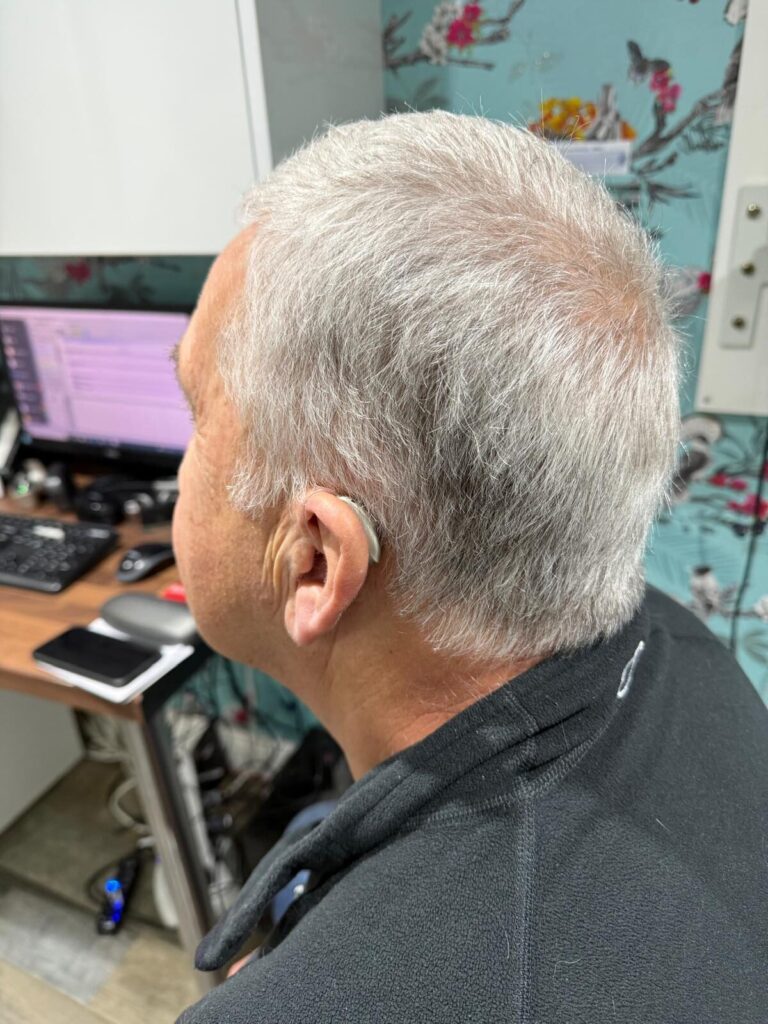
Through the UK Veterans Hearing Foundation, Mr Pinnegar was able to access a different level of hearing care, one that focused on understanding his specific experience rather than applying a standard solution. He was fitted at Hear4U Rothwell, where the process centred on careful assessment, appropriate technology selection, and precise fitting. The aim was not only to improve hearing but to ensure that the solution worked in real-life conditions, including busy environments and outdoor settings. This approach allowed for adjustments that reflected his lifestyle, making the hearing aids feel like a support system rather than a compromise.
The Outcome Was A Clear Difference
The impact of the change was immediate and meaningful. In his own words, Mr Pinnegar shared, “I am emailing first and mainly to say thank you for arranging my fitting with new hearing aids, they are a vast improvement on my NHS set, I am pleased to say.” His feedback is simple, but it reflects a shift that goes beyond technical improvement. It speaks to the ease of conversation, the reduction in effort, and the return of confidence in situations that once felt challenging.
This outcome was made possible with the support of The Childwick Trust, whose contribution continues to help veterans access the hearing care they need. Their involvement plays an important role in ensuring that support reaches those who would otherwise continue to struggle in silence.
Hearing loss affects more than hearing, and it shapes how people connect, participate, and experience daily life. For veterans, this often carries an added layer, as the cause of hearing loss is closely tied to their service. Support through the UK Veterans Hearing Foundation recognises this connection and ensures that care is not only accessible but also appropriate, reflecting both the complexity of hearing loss and the individual behind it.
This quiet change makes a lasting difference in Mr Pinnegar’s journey and is a reminder that the right support does not need to be complicated to be effective. It needs to be considered, personal, and consistent. With the right approach, hearing becomes less of a struggle and more of a natural part of daily life again. For many veterans, that shift restores more than sound. It restores a sense of ease, presence, and connection that had slowly faded over time.
