
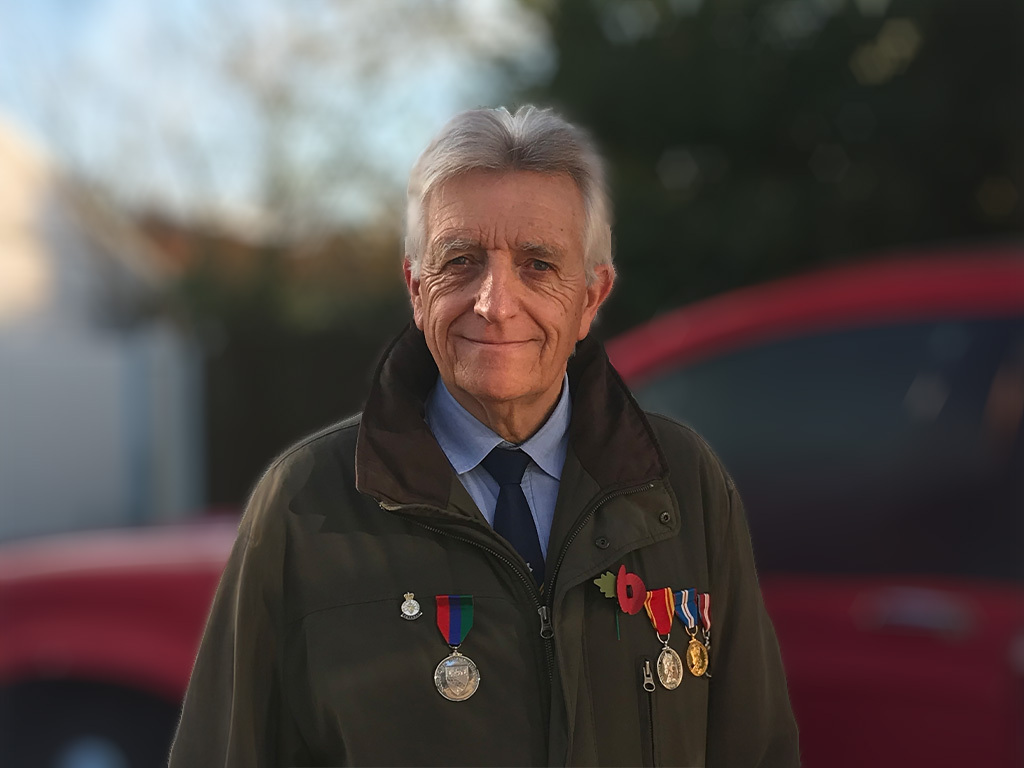
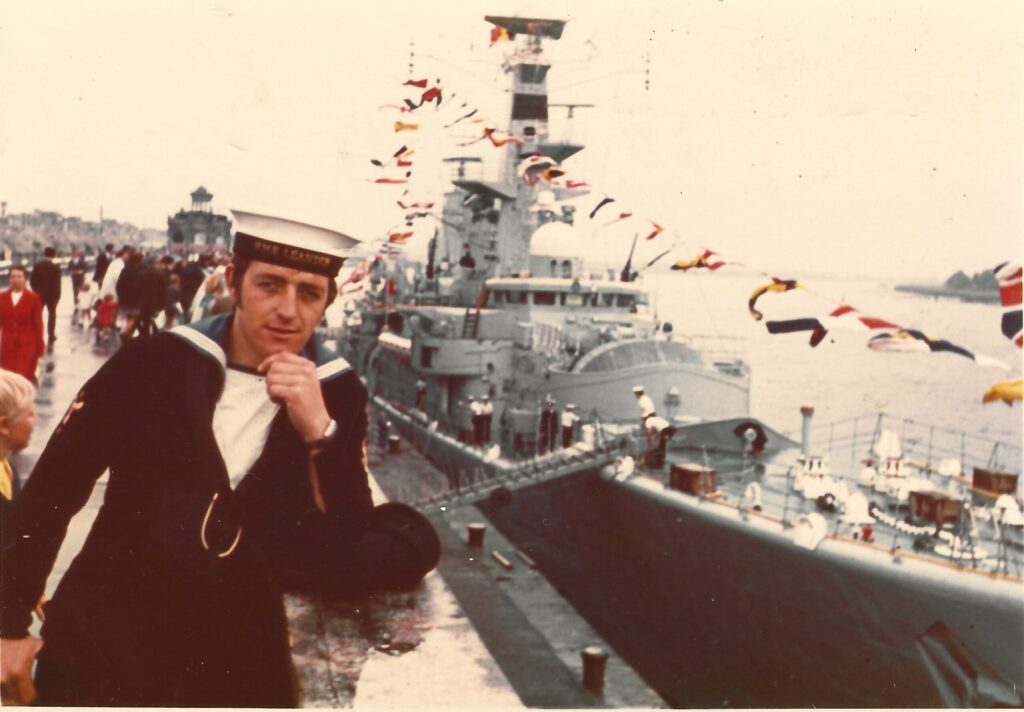
When Mr Leeder enlisted in 1967, he stepped into service with the kind of quiet determination that defined his generation. There was pride in wearing the uniform, pride in doing the job well, and pride in simply getting on with it. His role placed him in some of the most demanding and noisiest environments imaginable. He worked on ship machinery, powerful systems that never truly rested, and he stood watches on the flight deck of an aircraft carrier. For two-hour stretches at a time, he was surrounded by the relentless roar of aircraft engines, heavy equipment, metal striking metal, and shouted commands carried over thunderous sound. The noise wasn’t occasional, it wasn’t brief, it was constant.
Back then, hearing protection was minimal compared to what service personnel are provided with today. You didn’t question it and you didn’t complain. The mission came first, the job came first, and Mr Leeder did what so many did: he carried on. For eight years, until 1975, he served in environments that most of us will never fully understand. Environments where sound was not the background, it was everything. But service, especially in such conditions, leaves its mark.
The Quiet Consequences
Hearing loss rarely arrives suddenly, it doesn’t announce itself. Instead, it begins subtly. A missed word here, a sentence repeated there now and then, a moment of pretending you heard, because it feels easier than asking again. Over time, Mr Leeder began to notice that conversations were becoming more difficult. If he wasn’t looking directly at someone speaking, clarity would disappear. In group settings, background noise blurred voices together, busy environments, restaurants, family gatherings, and even simple social visits required real effort just to keep up. That effort can be exhausting; it changes the way you engage with the world. It can make you withdraw slightly, even without meaning to, it can chip away at confidence.
Like many veterans, Mr Leeder sought support through the NHS. He was provided with hearing aids, hopeful that they would restore the clarity he had lost. Unfortunately, the improvement was minimal. He found that he could hardly notice a difference. That kind of disappointment is hard to describe. When you finally ask for help, and it doesn’t feel like help at all, it can leave you feeling stuck. But Mr Leeder refused to simply accept that this was “just how it is.”
A Foundation That Understands Military Hearing Loss
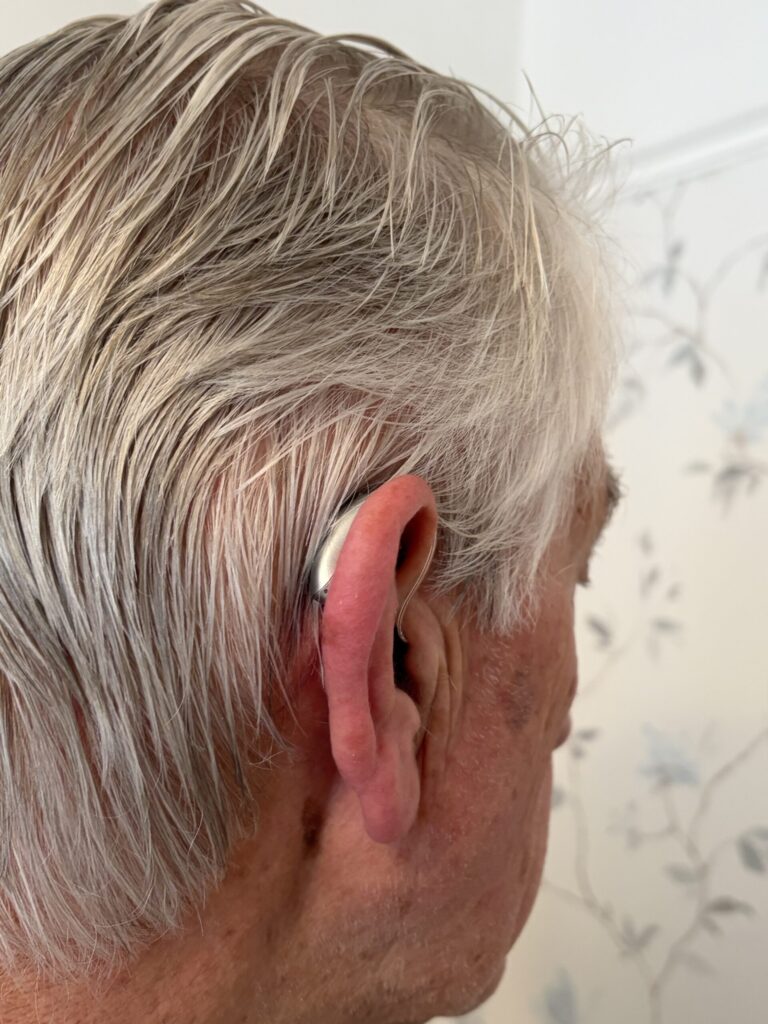
At the UK Veterans Hearing Foundation, we understand that military-related hearing loss is different. It is often the result of prolonged exposure to high-level noise over years of service, on flight decks, in engine rooms, on firing ranges, and in operational theatres. It is not simply an age-related decline; it is a service-related impact. Through UKVHF, Mr Leeder was referred to Sound Advice Hearing in Norfolk, where he received a thorough assessment tailored to his needs. He was fitted with a pair of Phonak top-of-the-range hearing aids, advanced devices designed to enhance speech clarity, reduce background interference, and adapt to real-world environments.
Modern hearing technology has come a long way; it is no longer just about making sounds louder, it is about making them clearer, sharper, and more natural. For Mr Leeder, the difference was noticeable; conversations became easier to follow, speech stood out more clearly against background noise, and listening required less effort. And when listening requires less effort, something else returns, ease.
Regaining Confidence and Connection
Hearing affects far more than our ears; it shapes how we connect, how we respond, and how we feel included. When hearing begins to fade, it can quietly reshape daily life. Social gatherings feel louder and more confusing. Telephone conversations become frustrating, and even watching television can require constant adjustment.
For veterans, especially, there can be a reluctance to ask again for support; years of resilience and self-reliance make it natural to simply manage. But no veteran should have to manage alone. For Mr Leeder, clearer hearing has meant more than improved sound. It has meant renewed confidence in conversations, with less strain, less frustration, and more comfort in everyday interactions. After years of standing watch surrounded by relentless noise, he now no longer has to strain to hear the voices that matter most and that matter deeply.
Why Stories Like Mr Leeder’s Matter
There are thousands of veterans across the UK living with the long-term effects of military noise exposure. Many do not realise that specialist support is available, and many believe they simply have to adapt. Mr Leeder’s story is a reminder that help can make a genuine difference, even decades after service ends.
At the UK Veterans Hearing Foundation, we are proud to stand alongside those who once stood watch for us. Through the support of our donors, partners, and audiology professionals, we are able to provide life-changing hearing support to veterans across the country. Because after serving in some of the loudest environments imaginable, no veteran should be left struggling in silence. Mr Leeder served with dedication and resilience. Today, he is heard clearly once again, and that is exactly why we do what we do.
We would also like to extend our sincere thanks to Sound Advice Hearing and The Childwick Trust, whose generous support helped make Mr Dudley’s treatment possible. Partnerships like these ensure that veterans receive the specialist care they deserve, without financial barriers standing in the way. Together, we are making a real and lasting difference to the lives of those who served.