
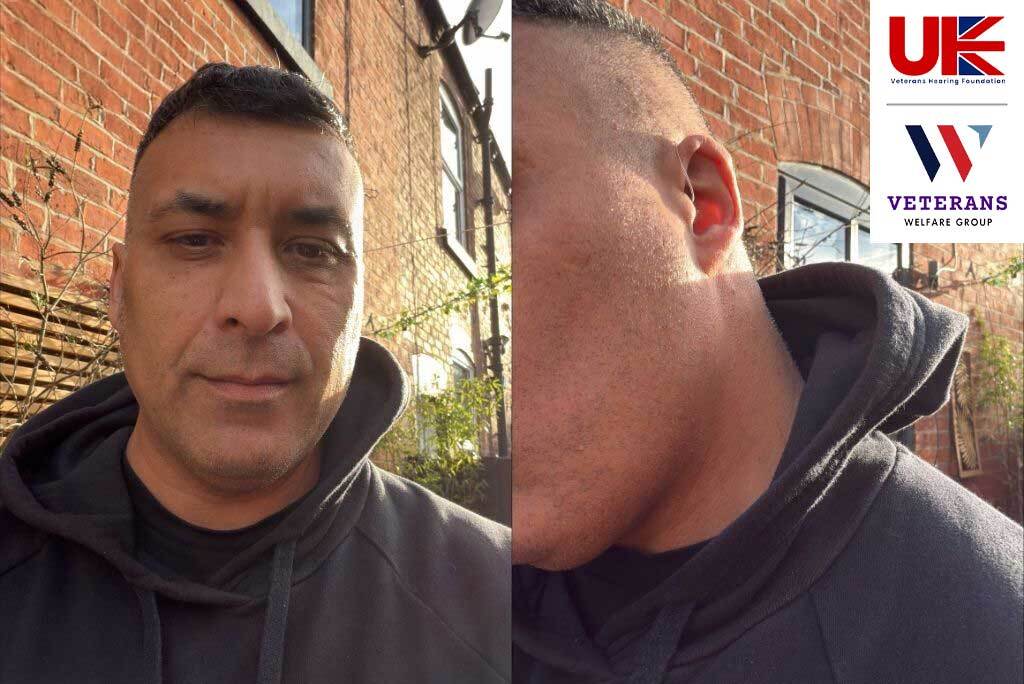
When anyone goes through hearing loss, they don’t always arrive suddenly. For many veterans, it settles in quietly, shaped by years of service, exposure, and environments where focus, duty, and survival mattered more than long-term health. For Mr Dominic Kane, hearing loss became part of his life after his time in the Army. Exposure to live firing during service left a lasting impact on how he used to hear. It was one that followed him long after his discharge, and over time, the conversations became harder to follow. Background noise felt overwhelming and situations that once felt simple began to demand more of his effort, more concentration, and more patience.
Like many veterans, Mr Kane didn’t immediately seek expert help. Hearing loss often becomes something you adapt to, rather than something you challenge, like you turn the television up, and you ask people to repeat themselves, you nod along in conversations, even when you are not entirely sure what is said. All through this, eventually, the strain becomes impossible to ignore.
Living With Hearing Loss After Service
Mr Kane did what many people do: he accessed the NHS hearing support and was fitted with hearing aids. In the paper, the problem was addressed. In reality, it was not that simple. The hearing aid he received didn’t feel comfortable; he experienced headaches, struggled with clarity, and found that background noise still overpowered speech. Rather than feeling supported, he felt frustrated; this is the very tool meant to help him, but it was making his daily life more difficult.
This is a reality many veterans face, that the hearing loss doesn’t just affect what is heard but also it affects how it feels. It can impact confidence, mood, and mental well-being. For Mr Kane, it added to feelings of stress and emotional strain that were already present following his service. We are aware that hearing challenges can be isolating. When you cannot clearly hear what is happening around you, you can start to withdraw; social settings become tiring, and conversations require constant effort. Over the time this can quietly affect mental well-being, self-esteem and relationships. Mr Kane needed more than a standard solution. He needed hearing care that understood his life, his service, and the way hearing loss affected him day to day.
The Importance of the Right Support at the Right Time
This is where funded veterans support makes a critical difference. Through the continued support of Veterans Welfare Group, Mr Kane was able to access a fully funded hearing pathway designed around his individual needs. This was not just about providing hearing aids, but also about ensuring access to specialist assessment, advanced technology, and professional care without financial pressure.
Veterans Welfare Group has consistently supported veterans who fall through the gaps of standard hearing provision. Their approach recognises that hearing loss caused by service often requires more than a basic solution. It requires understanding, patience, and the flexibility to offer the right technology for the right person. For Mr Kane, this support opened the door to hearing care that genuinely considered how his hearing loss affected his quality of life.
A Specialist Assessment That Looked Beyond the Audiogram
Mr Kane’s hearing assessment and fitting were carried out by Jonathan Whittaker at Cheshire Hearing Services, where the focus was not just on his test results but on real-life listening challenges. Instead of rushing the process, time was taken to understand:
- How Mr Kane’ hearing loss affected him in noisy environments
- Mr Kane’s experience with previous hearing aids
- The physical comfort issues he had faced
- His daily routine, habits, and priorities
This kind of assessment matters because hearing loss is personal, and effective hearing care depends on understanding how someone lives, not just what their hearing chart shows. Based on Mr Kane’s pre-fit assessment, a clear recommendation was made.
Technology Chosen for Real-World Hearing
Mr Kane was fitted with the Phonak Audéo Lumity Sphere i90, which is a premium hearing aid designed for people who struggle most in complex listening environments. This model uses a dedicated Deep Sonic chip and advanced AI technology to separate speech from background noise. In simple terms, it helps voices come through more clearly, even when there is competing sound around you. something that had been a major challenge for Mr Kane.
The device also supports dual Bluetooth streaming, allowing simultaneous connection to multiple devices. This means Mr Kane can watch television, use his phone, and move between devices seamlessly, without constantly adjusting settings or equipment. But while the technology itself is impressive, what truly matters is how it feels to use it. Hearing aids are only successful if the person wearing them feels comfortable, confident and supported. Without that, even the most advanced technology falls short.
The Moment Things Changed
After his fitting, Mr Kane shared feedback that captured the impact of his new hearing support better than any technical description ever could.
“I have had my hearing aids fitted today and they’re amazing. Thank you so much for everything you have done. The hearing aids and the TV box so I can watch TV are amazing.”
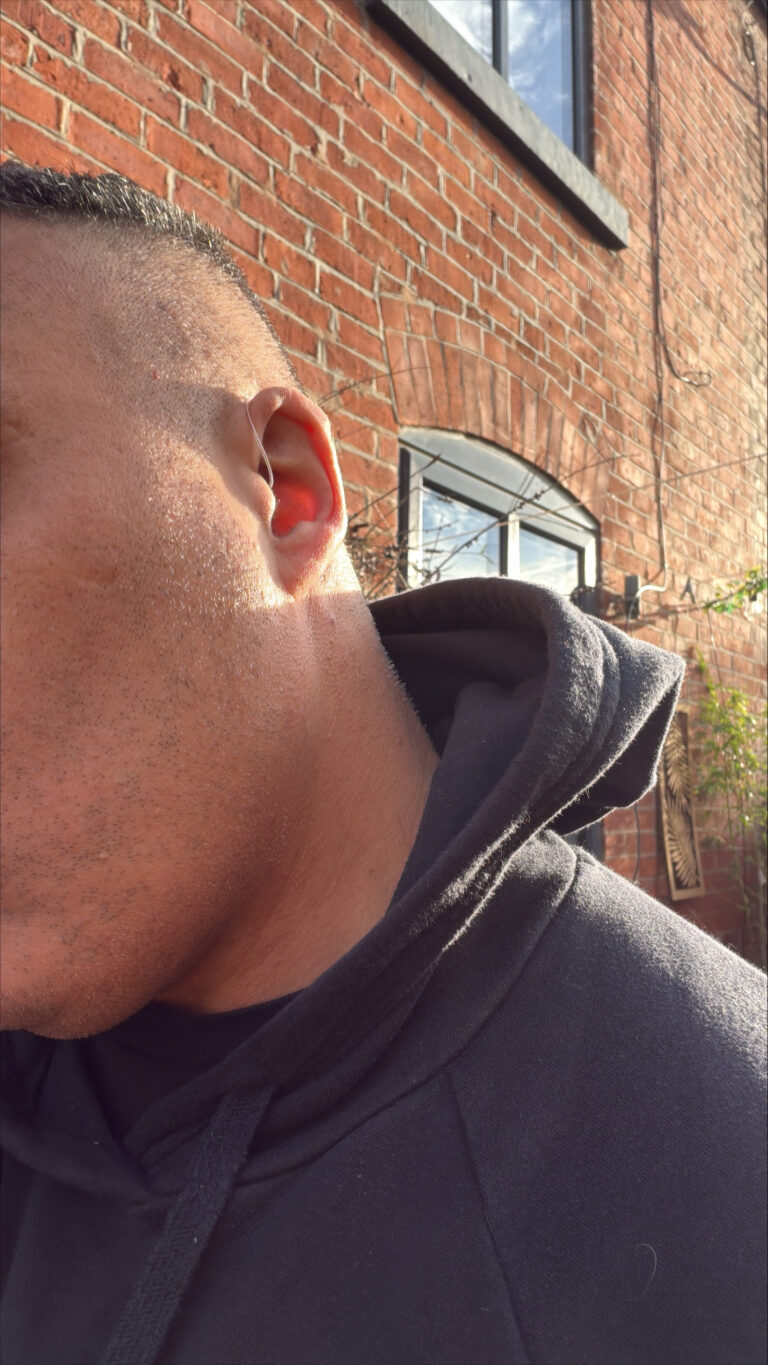
“They’re so small and you don’t even know they’re there. They fit perfectly. I love them. Thank you so much for sorting it all for me.”
What stands out in Mr Kane’s words isn’t just satisfaction, it’s relief. His relief that the hearing aids were comfortable, relief that he could hear clearly without strain, relief that everyday activities no longer felt like a challenge. Sometimes, the biggest success isn’t a dramatic change; it is a quiet return to normality.
Why Hearing Success Stories Matters
Hearing loss often goes unseen. It doesn’t always show outwardly, but it can deeply affect mental well-being, confidence, and emotional health. For veterans, hearing loss can carry additional weight. It is often tied directly to service, to moments of exposure and sacrifice that cannot be undone. And living with those effects without adequate support can feel deeply unfair.
Success stories like Mr Kane’s matter because they remind us that hearing care is not just clinical, it’s human. When veterans receive the right support, it can restore more than hearing. It can restore independence, dignity, and a sense of control. Mr Kane’s journey also highlights the importance of partnership; without Veterans Welfare Group’s funding and advocacy, this pathway would not have been possible. Without specialist audiology care, the right technology may never have been identified. All of this is the combination of both that creates real change.
A Continued Commitment to Veterans’ Hearing Health
Veterans Welfare Group’s continued commitment to funding hearing pathways for veterans reflects a deep understanding of long-term service-related health needs. Their support ensures that veterans are not left struggling with inadequate solutions and that they have access to care that respects their experience and challenges. By funding Mr Kane’s hearing pathway once again, Veterans Welfare Group has helped ensure that he can move forward with hearing support that truly fits his life.
A sincere thank you to Veterans Welfare Group for funding Mr Dominic Kane’s hearing pathway and continuing to support veterans who need specialist hearing care.
Thank you also to Cheshire Hearing Services for providing professional, compassionate audiology care that prioritises comfort, understanding, and real-world outcomes.
Stories like Mr Kane’s remind us why this work matters: hearing care isn’t just about sound; it is about connection, confidence, and being able to take part in life fully again.
Who are Veterans Welfare Group
Veterans Welfare Group: Proud to support Active Service Members, Veterans & Their Families
Veterans Welfare Group offers veteran-led support to serving military personnel, veterans, and their families. The organisation provides effective guidance informed by lived experience, particularly for those navigating medical discharge and the transition to civilian life. Veterans Welfare Group understands the challenges veterans face when dealing with hearing-related issues—from securing appropriate medical evidence and navigating complex MOD claims procedures to accessing strategies and practical tools for managing tinnitus and other hearing-related conditions.
Alongside guidance on accessing financial support through the Armed Forces Compensation Scheme or War Pensions, Veterans Welfare Group provides benefits advice, assistance throughout the medical discharge process, and support with resettlement, employment, and rehabilitation.
If you would like to speak to an advisor, please get in touch with the team here.
