
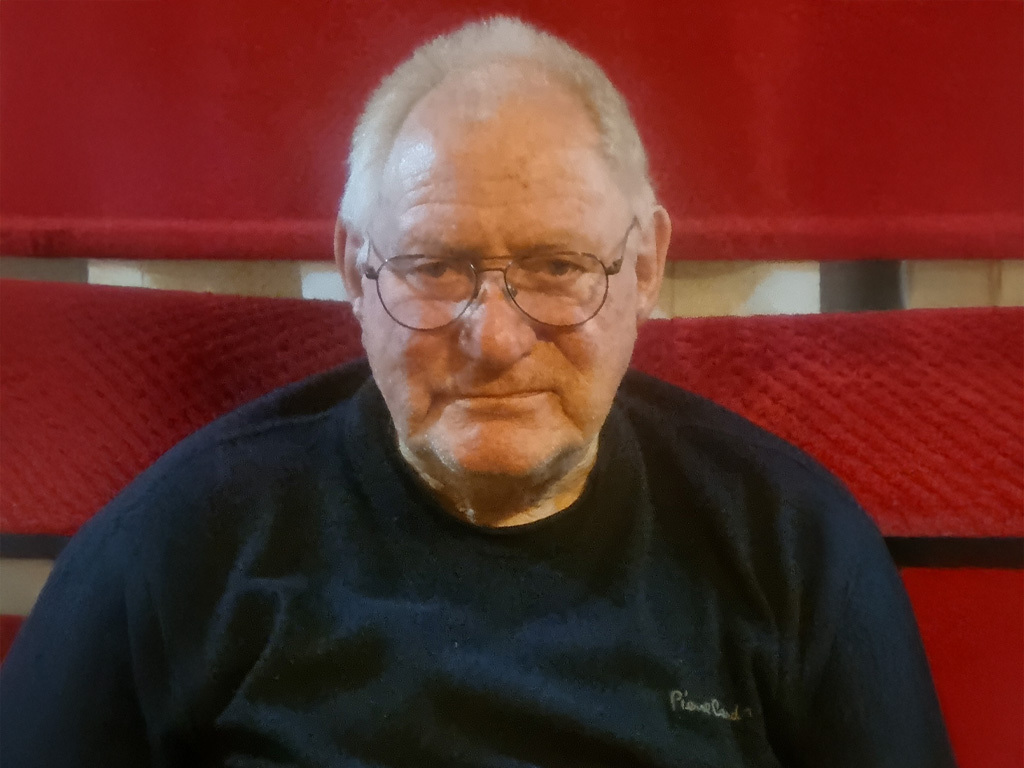
Brian Sands was born on 13 January 1949 and began his military journey at a young age, enlisting in the Royal Corps of Signals in May 1966. His time in service included operational duties in Ireland, a period that demanded focus, resilience, and constant exposure to active working environments. Like many servicemen of that time, Mr Sands carried out his role without access to the level of hearing protection that is expected today. Noise was not seen as a long-term risk in the same way it is now, and ear defenders were not routinely provided.
Looking back, Mr Sands believes this is where his hearing problems first began. The gradual exposure did not feel significant in the moment, but over time, the effects built up. There was no clear point where his hearing changed overnight. Instead, it slowly shifted, becoming something he learned to live with, long before he fully understood the impact it would have on his everyday life.
Living with Hearing Loss in Everyday Life
Today, Mr Sands describes himself as hard of hearing across all situations, and this has shaped the way he experiences daily life. Simple interactions, the kind most people take for granted, now require effort and adjustment. Conversations with family and friends are no longer as natural as they once were. Words can feel distant, and in group settings, following what is being said becomes even more difficult. At home, the television volume has to be turned up high just to make sense of what is being watched. This often creates a disconnect in shared spaces, where others may not need the same level of sound. These small but constant adjustments begin to affect comfort, routine, and even relationships over time.
For Mr Sands, hearing loss is not only about sound, but it is also about connection. It influences how he engages with people, how confident he feels in conversations, and how present he can be in moments that matter.
Difficulties with NHS Hearing Aids
In 2020, Mr Sands took the step to seek support through the NHS. This was an important move towards managing his hearing loss, but the outcome did not meet his expectations. The hearing aids he received did not suit his day-to-day needs, particularly in a working environment.
As a delivery driver, Mr Sands requires equipment that stays secure and performs consistently throughout the day. Instead, he found that the hearing aids would come loose while he was working, which made them unreliable and frustrating to use. Alongside this, he experienced a high-frequency buzzing sound and frequent whistling, which affected the clarity of what he was trying to hear.
These issues meant that the hearing aids did not become a practical part of his routine. Rather than supporting him, they created new challenges. This is a common experience for many individuals when the fit, function, or sound quality of hearing aids does not align with their lifestyle.
Reaching Out for Better Support
Recognising that his current situation was not working, Mr Sands reached out to the UK Veterans Hearing Foundation. His goal was simple: to find a solution that would let him hear more clearly and live more comfortably, without the constant struggle he had been facing. Mr Sands case reflects a wider pattern seen among veterans. Many experienced the start of their hearing loss during service, yet only seek support years later when the impact becomes more difficult to manage. By this point, the need is not only for amplification, but for a solution that fits into real life. For Mr Sands, this meant finding hearing support that would stay secure, reduce unwanted noise, and allow him to engage more confidently in both work and personal settings.
The Right Fit, The Right Support
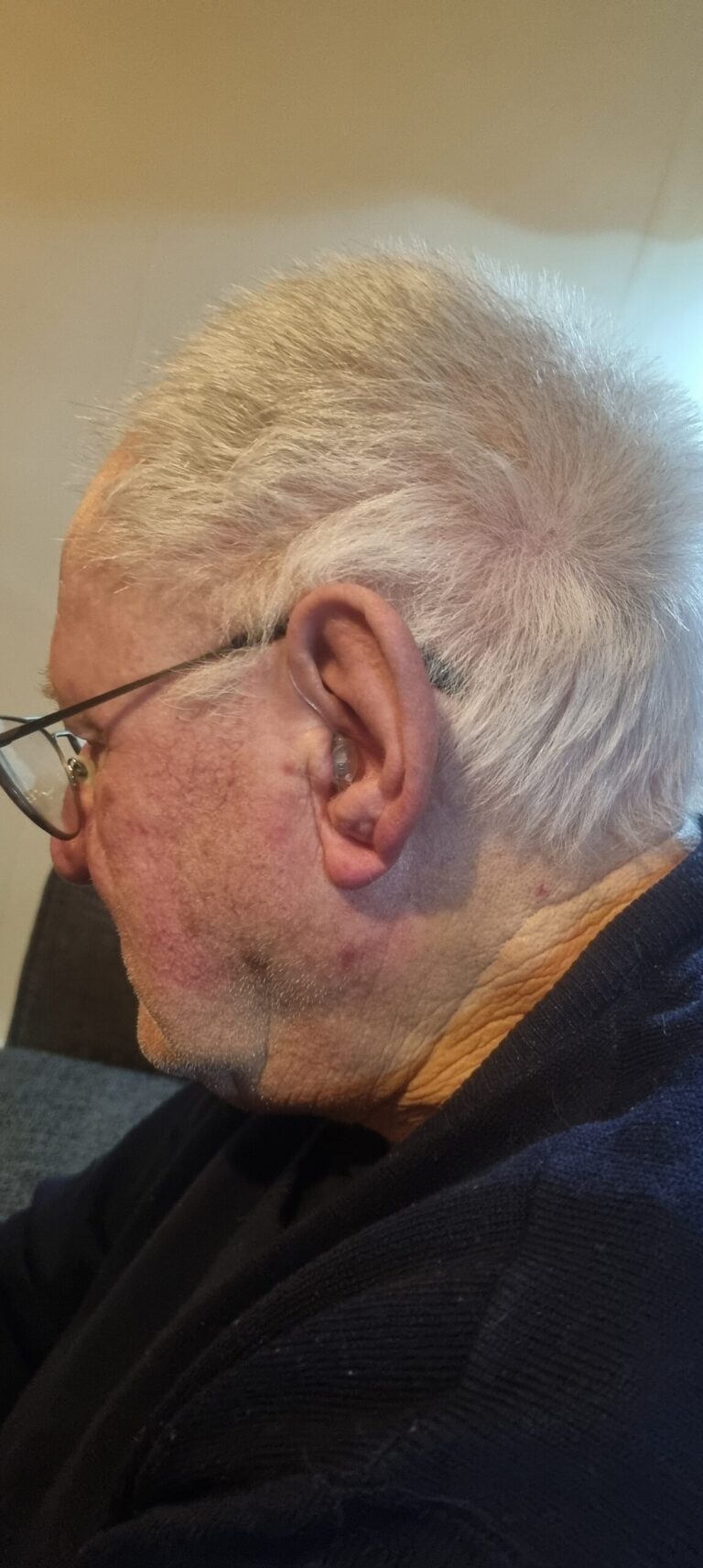
With the support of the UK Veterans Hearing Foundation, Mr Brian Sands was fitted by Harley Street Hearing, ensuring he received specialist care tailored to his level of hearing loss. His treatment was made possible through funding from The Gold and Silver Wyre Drawers, whose support continues to change lives for veterans facing similar challenges. Mr Sands was fitted with bilateral Phonak L90-R hearing aids, paired with custom C-Shells.
This combination was carefully chosen, considering the severity of his hearing loss and the need for a more secure, acoustically effective solution. Unlike standard domes, C-shells are moulded to the individual’s ear, which allows for a more precise fit. This helps reduce sound leakage, improves clarity, and minimises issues such as whistling or feedback, something Mr Sands had struggled with in the past. For someone like Mr Sands, who is active and working, this level of stability and sound quality is not optional. It is essential. The improved fit means his hearing aids stay in place throughout the day, while delivering clearer, more consistent sound across different environments.


The Reality Behind Veteran Hearing Loss
Mr Sands’ story highlights the long-term effects of military service that are not always visible. Hearing loss does not always show itself immediately, and for many veterans, it develops gradually over time. Without early protection or intervention, the impact becomes part of daily life before it is fully recognised.
It also brings attention to the importance of personalised care. Hearing aids are not simply devices to increase volume. They need to suit the individual, their environment, and their routine. When they do not, they risk being set aside, leaving the original problem unresolved. For veterans like Mr Sands, the right support goes beyond technology. It is about restoring ease in communication, reducing frustration, and helping them feel more connected to the world around them.
Moving Forward with the Right Support
Mr Sands’ journey is one that many veterans will recognise. From early exposure during service to the gradual onset of hearing loss, and then the challenge of finding a solution that truly works. His experience shows that while hearing loss cannot always be reversed, the right support can make a meaningful difference. With guidance and appropriate care, it becomes possible to improve not only how someone hears, but how they live. For Mr Sands, taking that step towards better support is about regaining comfort in conversations, confidence in daily interactions, and a sense of normality that hearing loss had slowly taken away.
