
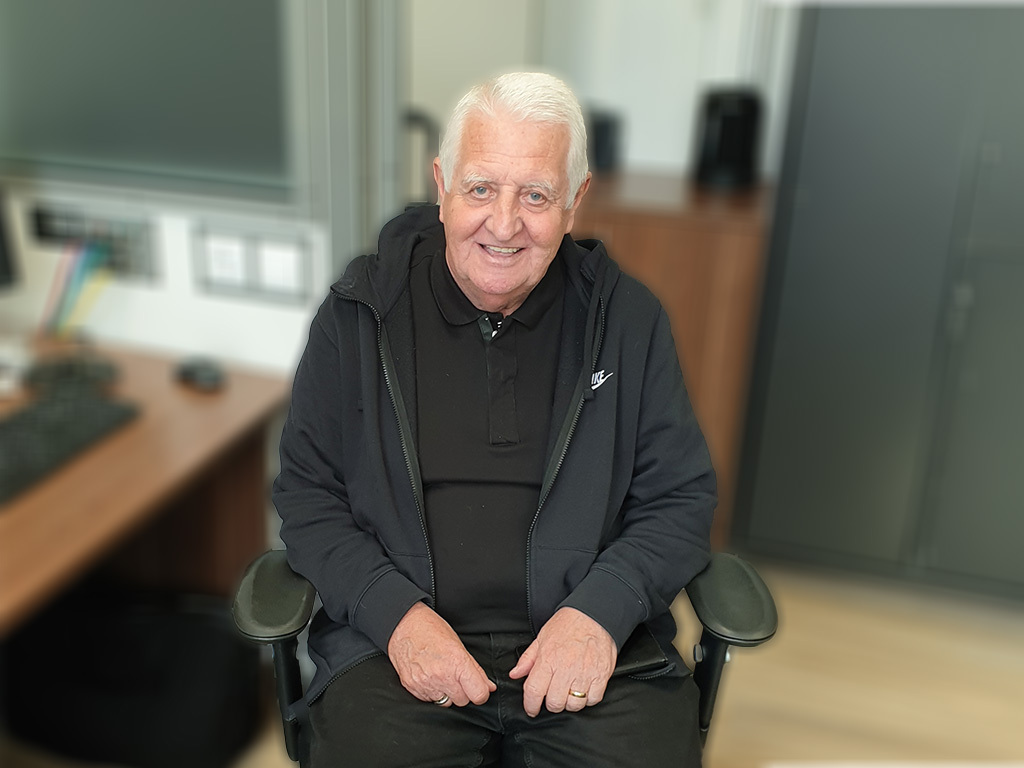
Hearing loss had become part of everyday life for Army veteran Benjamin McGaffin. In conversation, he often has to look directly at the speaker to lip-read, and when watching television, he turns the volume up to hear clearly. He was already wearing NHS hearing aids, but difficulties with the volume controls and ear moulds meant his current hearing support was not meeting his needs.
After approaching the UK Veterans Hearing Foundation, Mr McGaffin received further hearing support with funding from the Stafford Trust. Michael Campbell-Calder Hearing fitted him with a pair of Oticon Real 1 hearing aids, giving him hearing technology better suited to his current needs. Like many of the veterans supported by the Foundation, Mr McGaffin’s hearing difficulties trace back to his time in the Armed Forces.


Military service and hearing loss
Mr McGaffin served in the Army with the Royal Highland Fusiliers, with his application recording service connected with Northern Ireland and Germany. When explaining how his hearing loss began, Mr McGaffin said he was serving in Germany when he was deployed on the rifle range.
Military service often involves time spent around weapons, machinery and other intense sources of noise. Some former service personnel have hearing difficulties that continue long after this exposure has ended. The effect became noticeable in the everyday moments where clear hearing matters most for Mr McGaffin.
When everyday conversations become harder
Hearing loss is not always limited to sounds seeming quieter. It often changes the way someone communicates and the amount of effort needed to follow what is happening around them. Mr McGaffin explained that he needed to look at people while they were speaking so he could lip-read. He also found himself turning the television volume up to follow programmes more easily.
Over time, small adjustments like these become part of someone’s routine. Conversations require more concentration, speech becomes easier to miss and situations others take for granted start demanding more effort. Mr McGaffin had already received hearing support through the NHS and was wearing hearing aids. However, he reported problems controlling the volume and difficulties with his ear moulds. Having hearing aids in place was therefore only part of the answer. He needed hearing support, which worked better for him.
Seeking veteran hearing loss support
When Mr McGaffin approached the UK Veterans Hearing Foundation, his application gave the team a clearer picture of his military service, how his hearing loss had developed and the difficulties he was experiencing with his existing hearing aids. The next step was finding hearing care suited to those needs.
With funding from the Stafford Trust, Mr McGaffin received support through Michael Campbell-Calder Hearing. For veterans living with hearing loss, individual hearing care matters. Two people with similar levels of hearing loss may still experience different difficulties in daily life, which means the right hearing solution needs to reflect the person rather than simply the hearing test results.
Fitted with Oticon Real 1 hearing aids
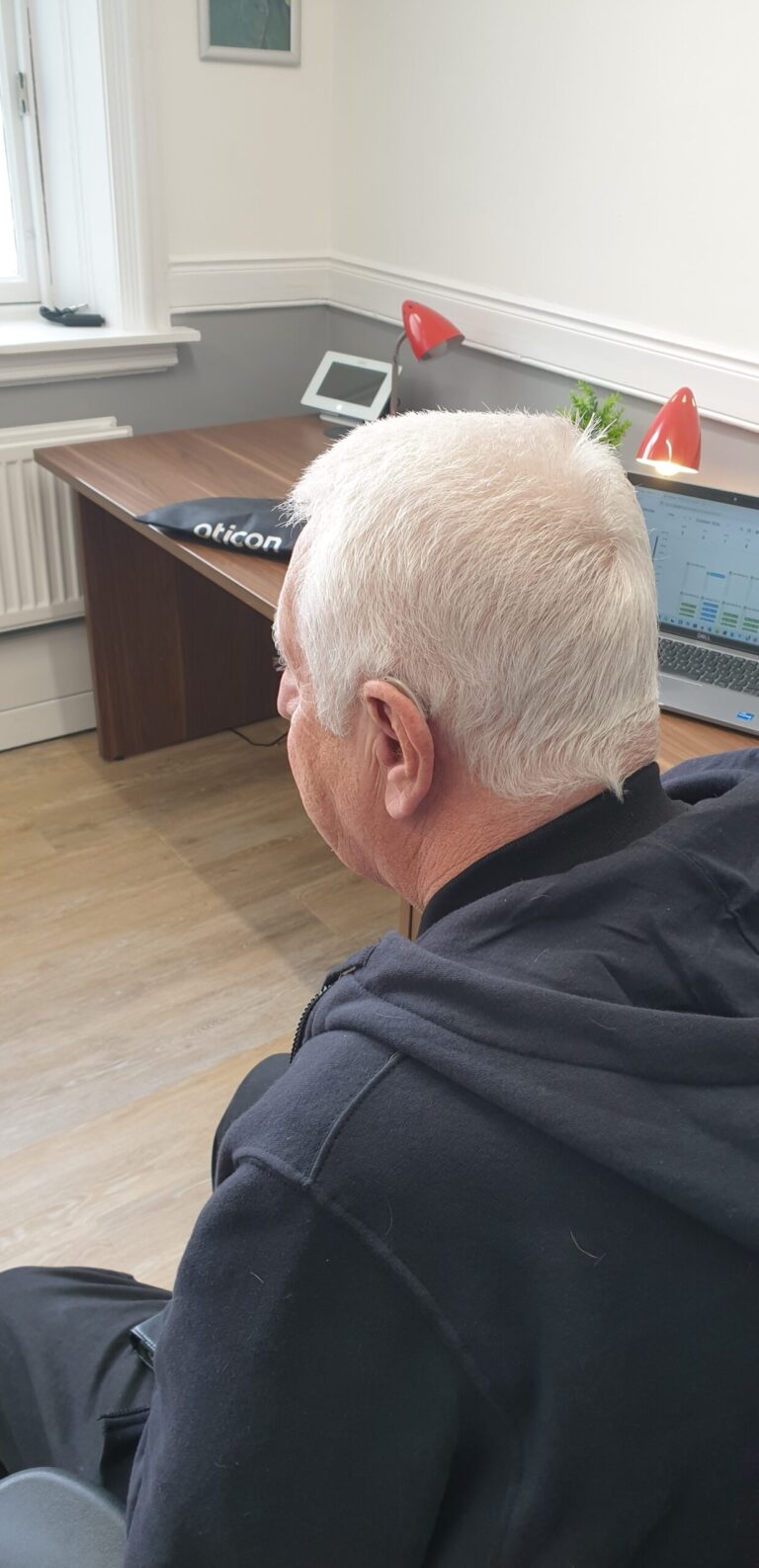
Michael Campbell-Calder Hearing fitted Mr McGaffin with a pair of Oticon Real 1 hearing aids. His new hearing aids gave him another route forward after experiencing difficulties with his previous devices.
A successful hearing aid fitting is not simply about supplying new technology. The devices need to work alongside the person’s hearing levels, listening environments and day-to-day needs. For Mr McGaffin, one of the most important measures of success will be whether the new hearing aids make the situations he previously found difficult feel easier, from following conversations without relying as heavily on lip-reading to listening to the television more comfortably.
As Mr McGaffin gets used to his new hearing aids, the UK Veterans Hearing Foundation will continue to follow up with him and support him with any aftercare he needs.